Hahnii Snake Plant

Hahnii snake plant
Make sure to water your Hahnii around the edge of its grow pot, avoiding the middle stems as this can cause the plant to rot easily.
- Light. Sansevieria trifasciata Hahnii does best in moderate to bright, indirect light, but can also adapt to low light conditions if preferred.
- Humidity. ...
- Toxicity.
How big do Sansevieria Hahnii grow?
Hahnii Snake Plant grows into a small easy-care houseplant that is perfect for any light exposure. Thick foliage that is silver and green zebra striped is slow growing and petite, only reaching about 12″ over time.
How often do you water Sansevieria Hahnii?
After planting, water in well and allow the soil to dry between waterings. Water when soil is dry and the sun is shining. Succulents don't like to have wet feet. Most succulents need very little fertilizer.
What variety is Sansevieria Hahnii?
Sansevieria Hahnii is a rare compact Snake Plant that is a short growing form of Sansevieria Trifasciata. Commonly called Bird's Nest' and remains less than 12 inches (30 cm) tall. Because of its size it is just perfect for table and desk tops.
How do I make my Sansevieria happy?
Snake plants prefer bright, indirect light and can even tolerate some direct sunlight. However, they also grow well (albeit more slowly) in shady corners and other low-light areas of the home. Tip: Try to avoid moving your plant from a low-light area to direct sunlight too quickly, as this can shock the plant.
Can I keep Sansevieria in the bathroom?
The snake plant, also known as mother-in-law's tongue, is one of the lowest maintenance bathroom plants out there, and one of the most popular for that exact reason. They filter and purify the air, thrive in any humidity level and while they prefer bright light, they can happily live in low light too.
Do Sansevieria need deep pots?
Because Sansevierias like to spread out as they grow, I've found that they don't need a deep pot. A deep pot has more soil mass at the bottom which could stay too wet which leads to root rot.
Does Sansevieria like to be crowded?
Yes, snake plants do like to be crowded. However when they're severely root-bound the pot can break, or they can have a hard time absorbing the water and nutrients they need.
Is Sansevieria a good house plant?
It requires very little effort in terms of plant care, making it a perfect choice for most urban homes and beginner plant owners. Aside from ornamentation, the snake plant can actually benefit your air filtration. According to a NASA Clean Air Study it can get rid of most indoor pollutants present in most homes today.
What are the disadvantages of snake plant?
7 Disadvantages Of A Snake Plant That You Should Know
- It Grows Slow -
- The Problem of Propagation - ...
- It Is Toxic For Humans & Pets - ...
- Leaves Falling Over - ...
- Bringing Bad Luck - ...
- Cold Temperature Requirements - ...
- Regular Fungus Attack -
Can I mist my Sansevieria?
Snake plants are desert plants that are accustomed to hot and humid conditions. That being stated, it is generally not recommended to mist the leaves of a snake plant. Misting the snake plant's leaves can cause them to become overwatered, leading to several other health issues.
How long do Sansevieria plants live?
Generally, the snake plant is a slow grower; however, if you place it outdoors in summer, it might experience a boost in growth. How long does a snake plant live? The average lifespan of a snake plant is five to ten years; however, they can live up to 25 years or more.
What is the rarest Sansevieria?
Sayuri. One of the rarest Sansevieria varieties, Sayuri shows off pretty gray-green blade-like leaves evenly striped in silver and blue, margined in white. The plant thrives in bright direct sunlight.
Why snake plants are the best?
Similar to other household succulents, snake plants help to filter indoor air. What's unique about this particular plant is that it's one of the few plants that can convert carbon dioxide (CO2) into oxygen at night. This quality makes it an ideal plant for bedroom decor, since it can help regulate healthy airflow.
Do Sansevieria need lots of sun?
“While most sansevieria thrive in bright light and even direct sun, they can tolerate medium to low light conditions,” said Rhiannon Cramm of Hollywood nursery Mickey Hargitay Plants. The key to helping plants thrive in lower light? Reduce the amount of water you give them in both frequency and quantity.
Is coffee good for a snake plant?
There are so many benefits of coffee grounds in snake plants that we can get. The soil is fertilized when coffee grounds are added to snake plants. Coffee grounds can assist in the addition of nitrogen, potassium, and other vital nutrients.
How do you know if a snake plant is stressed?
If you've recently bought, moved, or repotted your snake plant, wrinkled leaves could also be a sign of stress. Plants do not appreciate changes in environment and could experience shock when moved around too much. It will take a while for the plant to acclimatize, but it should eventually return to normal on its own.
Should I shower my snake plant?
Putting your plants in the shower helps remove dust and pests. The occasional shower helps counteract the low humidity and indoor heating that's prevalent in winter, removes dust and dirt that may have accumulated on the leaves, and allows the plant to “breathe” and photosynthesize more efficiently.
What happens when you sleep with a snake plant in your room?
Releases Nighttime Oxygen Unlike some household plants, the snake plant produces oxygen throughout the night, while also taking in carbon dioxide (CO2), a natural byproduct of breathing. This characteristic makes the snake plant perfect for home or bedroom decoration due to its ability to improve air quality.
Can I sleep with a snake plant in my room?
At night, on the other hand, these plants take in oxygen and release carbon dioxide, a process called respiration. However, the Snake Plant is one of the lucky few that continues to produce oxygen at night, making it the ideal plant to place in your bedroom for better sleep.
14 Hahnii snake plant Images
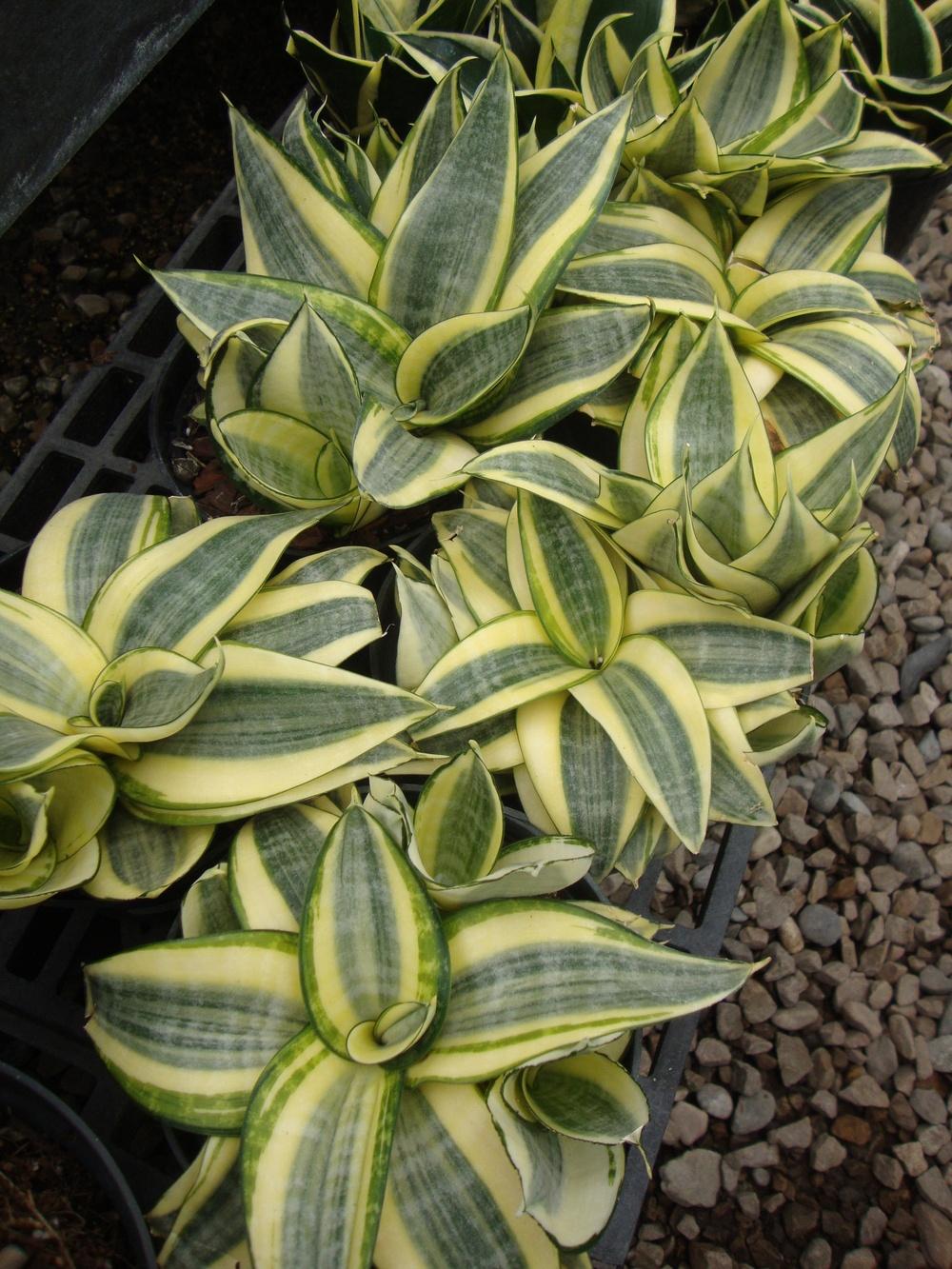
Sansevieria plant Succulents Plants

Darryl Cheng Toronto on Instagram Sansevieria Hahnii birds nest

Sansevieria Trifasciata Hahnii Black Star wwwsucculentcabincom

Sansevieria trifasciata Golden hahnii Sansevieria plant Plants

silver hahnii snake plant Google Search Planten

Sansevieria trifasciata var Hahnii Plants Sansevieria Sansevieria

386 best Sansevieria images on Pinterest

Hahni Birdsnest Snake Plant Sanseveria Almost Impossible to Kill

sansevieria hahnii Sansevieria plant Plants are friends Pretty plants

Golden Hahnii Birdsnest Snake Plant SanseveriaAlmost Impossible to

houseplantjournal Sansevieria plant House plants Hanging plants

Sansevieria Hahnii Silver Frost Cactus Jungle

Hot selling 1m 44 leaves snake plants Sansevieria trifasciata Green

Post a Comment for "Hahnii Snake Plant "